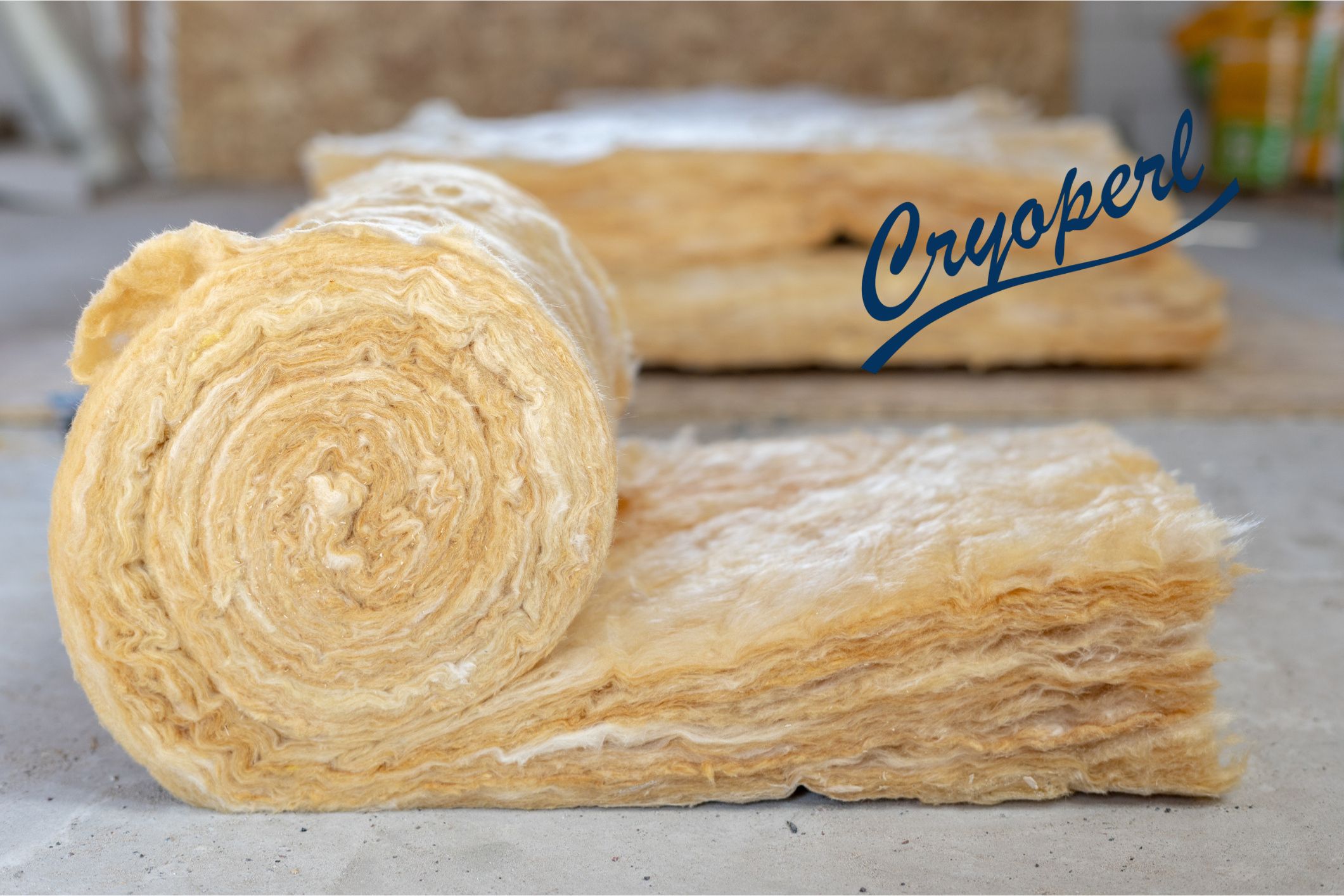
When talking about cold-area insulation, expanded perlite usually gets attention first, particularly in ring-shaped areas at low temperatures. Yet in plenty of LNG and factory gas applications, mineral wool steps in alongside perlite – most clearly when both thermal barrier and flame barrier are needed.
Instead of working alone, these materials usually form teams within broader insulation setups.
Outer Shell Insulation: Managing the Interface with Ambient Conditions Even though perlite sits within ring-shaped gaps under vacuum or set conditions, mineral wool often covers outside layers or is left visible because it tends to – surface heat loss drops when conditions change.
Reducing it becomes possible. Heat moves less from surfaces once adjustments happen
- control condensation risks
- improve personnel protection by stabilizing external temperatures
Its fibrous structure allows flexibility around complex geometries like nozzles, skirts, and pipe penetrations.
Fire protection working together in LNG sites Far below freezing, structures need to handle icy conditions while still complying with tight blaze rules.
Mineral wool helps in this way: passive fire resistance applied to exterior structures
- maintaining insulation performance under elevated temperatures
- supporting compliance with fireproofing strategies around critical equipment Fire resistance grows alongside heat blocking when mineral wool serves in insulation setups.
Its role strengthens by linking thermal control with protective qualities. Design hybrid insulation systems.
Good project results usually come from using different materials – each set up for a particular task:
- Expanded perlite acts as low-temperature annulus insulation Mineral wool forms the outer shell while also acting as a fire protection interface.
- Tough layers built in – resist movement, control sinking What matters most is seeing cryogenic insulation not as one thing, but as part of a wider technical approach.
It works best when used fully – piece by piece, so to speak. Beyond one material thinking
When LNG and industrial gas setups change, insulation starts using mixed materials – not just one thing but several together – to boost energy efficiency while adding strength and meeting safety rules all at once.
Since good results in cryogenic systems mean more than just filling a tank – it’s about every part of the insulation system cooperating as one unit.